
"Daklak coffee"
80 article(s) found

A brief introduction to the planting situation, geographical location, climate and altitude of high-quality coffee beans in Vietnam
Coffee cultivation in Vietnam covers an area of about 500000 hectares, of which 10% are owned by state-owned enterprises and farms, and 85% by farmers and landowners. The scale of the manor is small, usually 2-5 hectares, and the large manor is about 30-50 hectares, but the number is small. Vietnamese coffee ranks second in all agricultural products exported from Vietnam, second only to rice. Every year, about 300000 farmers are engaged in coffee cultivation, with a labor force of 600000.

Vietnam Coffee is the second largest coffee exporter in the world
Almost all of the world's robusta coffee beans (Robustabean), which are often used to make instant coffee and high-end coffee blends, are exported from Vietnam. Vietnam is the world's second largest exporter of coffee, surpassing Colombia and second only to Brazil. Vietnam has a long history of coffee production, but the development and expansion of its production scale began in the last 20 years. Experiencing

A brief introduction to the flavor, taste and aroma characteristics of Vietnamese boutique coffee beans with light sour taste
Coffee cultivation in Vietnam covers an area of about 500000 hectares, of which 10% are owned by state-owned enterprises and farms, and 85% by farmers and landowners. The scale of the manor is small, usually 2-5 hectares, and the large manor is about 30-50 hectares, but the number is small. Vietnamese coffee ranks second in all agricultural products exported from Vietnam, second only to rice. Every year, about 300000 farmers are engaged in coffee cultivation, with a labor force of 600000.

A brief introduction to the treatment method of grinding degree and baking degree of cream-scented Vietnamese boutique coffee beans
Coffee production in Vietnam has the following characteristics: (1) because there is no effective way to deal with fallen leaves, medium-grain coffee was selected as the main variety in the early 1980s. (2) based on the planting technology, the planting method of coffee was determined, that is, under the hot and humid climate in southern Vietnam, high density planting, large amount of irrigation, excessive fertilization and no shading trees were obtained.

A brief introduction to the history and culture of the origin and development of Vietnamese boutique coffee beans with light sour taste
Coffee production in Vietnam has the following characteristics: (1) because there is no effective way to deal with fallen leaves, medium-grain coffee was selected as the main variety in the early 1980s. (2) based on the planting technology, the planting method of coffee was determined, that is, under the hot and humid climate in southern Vietnam, high density planting, large amount of irrigation, excessive fertilization and no shading trees were obtained.

Brief introduction to the treatment method of grinding degree and baking degree of Vietnamese boutique coffee beans with light sour taste
Coffee cultivation in Vietnam covers an area of about 500000 hectares, of which 10% are owned by state-owned enterprises and farms, and 85% by farmers and landowners. The scale of the manor is small, usually 2-5 hectares, and the large manor is about 30-50 hectares, but the number is small. Vietnamese coffee ranks second in all agricultural products exported from Vietnam, second only to rice. Every year, about 300000 farmers are engaged in coffee cultivation, with a labor force of 600000.

Vietnamese Coffee Flavor Taste Manor introduces Vietnamese Coffee Brands
Vietnam's geographical location is very favorable for coffee cultivation. Southern Vietnam has a hot and humid tropical climate, which is suitable for growing ROBUSTA coffee, while the north is suitable for growing ARABICA coffee. Coffee production in Vietnam has the following characteristics: (1) because there is no effective way to deal with fallen leaves, medium-grain coffee was selected as the main variety in the early 1980s. (2) take planting technology as
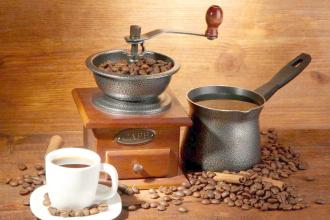
Vietnamese coffee flavor Vietnamese coffee characteristics
Vietnam's geographical location is very favorable for coffee cultivation. Southern Vietnam has a hot and humid tropical climate, which is suitable for growing ROBUSTA coffee, while the north is suitable for growing ARABICA coffee. Coffee production in Vietnam has the following characteristics: (1) because there is no effective way to deal with fallen leaves, medium-grain coffee was selected as the main variety in the early 1980s. (2) take planting technology as
Introduction to the Variety characteristics of Coffee beans in Vietnam
Vietnam's geographical location is very favorable for coffee cultivation. Southern Vietnam has a hot and humid tropical climate, which is suitable for growing ROBUSTA coffee, while the north is suitable for growing ARABICA coffee. Coffee production in Vietnam has the following characteristics: (1) because there is no effective way to deal with fallen leaves, medium-grain coffee was selected as the main variety in the early 1980s. (2) take planting technology as
What is Vietnamese iced condensed milk coffee
Following Cafe (official Wechat account vdailycom) found that Coffee Cafe to open its own shop is part of the cultures of the world. Recently, Yueyou Global Travel Network has launched a list of the best coffee in the world, with Vietnamese iced condensed milk coffee among them. According to Yueyou Global Travel Network, although iced condensed milk coffee is a popular drink in the world, Vietnamese style

Vietnamese coffee is served with condensed milk. The geographical location of Vietnam is very favorable for coffee cultivation.
Vietnamese coffee has a strong aroma, light sour taste, smooth and moist taste, slightly bitter and full-bodied aroma, refreshing and refreshing. The representative products are moossy coffee, G7 coffee coffee, Saigon coffee and Highland coffee. The geographical location of Vietnam is very favorable for coffee cultivation. Southern Vietnam has a hot and humid tropical climate, which is suitable for growing ROB.

Vietnamese coffee beans grinding scale varieties taste processing method Manor characteristics Introduction
Vietnam's geographical location is very conducive to coffee cultivation, the south of Vietnam has a hot and humid tropical climate, suitable for growing ROBUSTA coffee, and the north is suitable for growing ARABICA coffee. Coffee production in Vietnam has the following characteristics: (1) Since there is no effective method to deal with defoliation, in the early 1980s, medium-grain coffee was selected as the main variety. (2) Cultivation techniques

Vietnamese Coffee Flavor and Taste introduce Vietnamese Coffee Brands in Vietnam Coffee producing areas
Vietnam's geographical location is very favorable for coffee cultivation. Southern Vietnam has a hot and humid tropical climate, which is suitable for growing ROBUSTA coffee, while the north is suitable for growing ARABICA coffee. Coffee production in Vietnam has the following characteristics: (1) because there is no effective way to deal with fallen leaves, medium-grain coffee was selected as the main variety in the early 1980s. (2) take planting technology as
Vietnamese Coffee making Technology, Vietnamese Coffee characteristics
Following caf é comments (official Wechat account vdailycom) found that the opening of a small shop in Vietnam is very favorable for coffee cultivation. Southern Vietnam has a hot and humid tropical climate suitable for growing ROBUSTA coffee, while northern Vietnam is suitable for growing ARABICA coffee. Coffee production in Vietnam has the following characteristics: (1) because there is no effective way to deal with fallen leaves, in the 20th century

The situation of coffee production in Vietnam the geographical location of Vietnam is very favorable for coffee cultivation.
Vietnam's geographical location is very favorable for coffee cultivation. Southern Vietnam has a hot and humid tropical climate, which is suitable for growing ROBUSTA coffee, while the north is suitable for growing ARABICA coffee. Coffee production in Vietnam has the following characteristics: (1) because there is no effective way to deal with fallen leaves, medium-grain coffee was selected as the main variety in the early 1980s. (2) take planting technology as a reference.

Brewing of Vietnamese Coffee Bean varieties by graphic Flavor description
The geographical location of Vietnam is very favorable for coffee cultivation. The southern part of Vietnam has a hot and humid tropical climate, which is suitable for growing ROBUSTA coffee and the northern part is suitable for growing ARABICA coffee. Coffee production in Vietnam has the following characteristics: (1) since there is no effective way to deal with fallen leaves, in the early 1980s,

Vietnam Coffee planting Environment, Flavor and Taste introduction to Vietnamese Fine Coffee
Coffee cultivation in Vietnam covers an area of about 500000 hectares, of which 10% are owned by state-owned enterprises and farms, and 85% by farmers and landowners. The scale of the manor is small, usually 2-5 hectares, and the large manor is about 30-50 hectares, but the number is small. Vietnamese coffee ranks second in all agricultural products exported from Vietnam, second only to rice. Every year, about 300000 farmers in Vietnam are engaged in coffee cultivation, with a labor force of 600000.

Vietnam Weishuo Coffee Bean Arabica Karabasta mixed Bean Flavor description Grinding degree
Vietnam Coffee Vietnam's geographical location is very favorable for coffee cultivation. Southern Vietnam has a hot and humid tropical climate, which is suitable for growing ROBUSTA coffee, while the north is suitable for growing ARABICA coffee. Coffee production in Vietnam has the following characteristics: (1) because there is no effective way to deal with fallen leaves, medium-grain coffee was selected as the main variety in the early 1980s. (2) to seed

History of coffee beans grown in Vietnam Brand Price Flavor Description Taste Treatment Introduction
Vietnam coffee planting area is about 500,000 hectares, 10%-15% belong to state-owned enterprises and farms, 85%-90% belong to farmers and manor owners. The size of the estate is small, usually 2-5 hectares, and the large estate is about 30-50 hectares, but the number is small. Vietnamese coffee ranks second only to rice among Vietnam's export agricultural products.
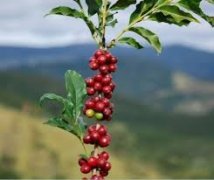
The origin and development of Vietnamese coffee and the characteristics of Vietnamese coffee
Professional coffee knowledge exchange more coffee bean information Please follow the coffee workshop (Wechat official account cafe_style) Vietnamese coffee was brought to Vietnam by French Jesuit missionaries around 1860. in the past 150 years, Vietnam has gradually developed its own unique coffee culture. The dripping coffee you must drink in Vietnam is now being handed over from Ho Chi Minh City, the largest city in the south, to China and Vietnam.